A Comprehensive Guide to Seasonal Skincare Trends from a Research Clinic Perspective


Understanding Seasonal Skincare
As the seasons change, so do the needs of your skin. Understanding the relationship between weather and skincare can help you maintain a healthy, glowing complexion all year round. Research clinics have been actively studying these changes to provide science-backed insights into optimal skincare routines for each season.

Spring: Renewal and Rejuvenation
Spring is a time of renewal, making it an ideal season to focus on rejuvenating your skin. As the weather warms up, you may notice an increase in oil production. Exfoliation is key during this period to remove dead skin cells and prevent clogged pores. Incorporating a gentle exfoliant into your routine can make a significant difference.
Additionally, spring is the perfect time to introduce lighter moisturizers. Opt for products with hyaluronic acid to maintain hydration without feeling greasy. Don’t forget to apply sunscreen daily, as UV rays become more potent.
Summer: Protection and Hydration
With increased sun exposure, summer skincare should prioritize protection and hydration. Broad-spectrum sunscreen with at least SPF 30 is non-negotiable. Reapply every two hours, especially if you’re swimming or sweating.

Hydration is also crucial in the hot months. Look for non-comedogenic moisturizers that won’t clog pores. Incorporating antioxidants like vitamin C can help protect against sun damage and promote an even skin tone.
Autumn: Repair and Transition
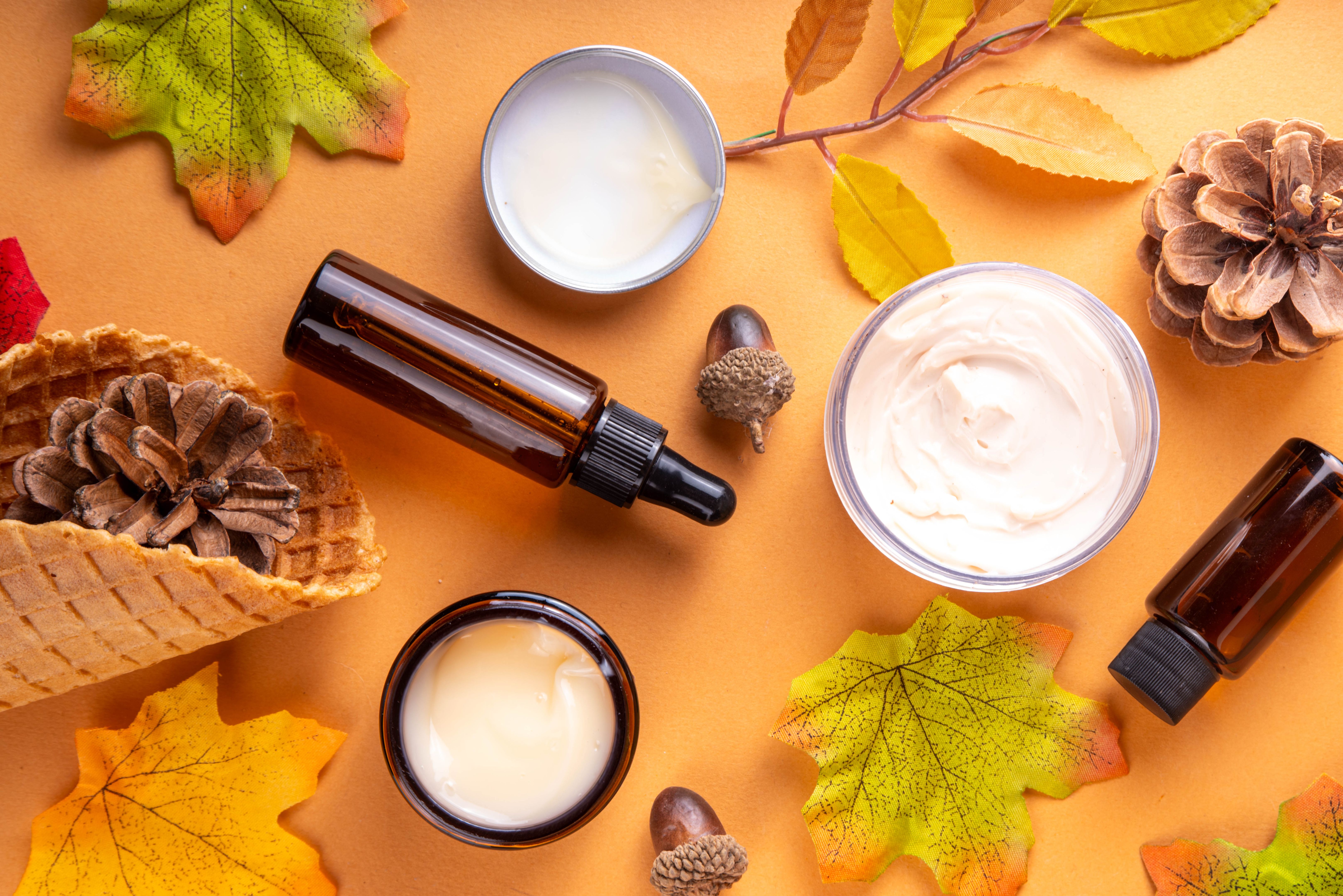
As temperatures drop, it’s time to repair any damage incurred during the summer and prepare your skin for the colder months. Switching to a richer moisturizer can help combat dryness caused by cooler air and indoor heating.
Consider adding a retinol product to your night routine to enhance cell turnover and reduce the appearance of fine lines. Exfoliation remains important, but opt for gentler products to accommodate the changing climate.
Winter: Nourishment and Protection
Winter brings harsh conditions that can strip the skin of its natural oils. Focus on nourishing and protecting your skin with heavier creams and oils that lock in moisture. Ingredients like ceramides and glycerin are excellent for reinforcing your skin’s barrier.
Don’t neglect your lips and hands, which are often exposed to the elements. Use a hydrating lip balm and hand cream regularly to keep them soft and supple.
Conclusion: Adapting to Seasonal Changes
Adapting your skincare routine to the seasons is essential for maintaining healthy skin. By following these research-backed strategies, you can ensure that your skin remains resilient and radiant throughout the year.
Remember, every skin type is unique, so it’s important to tailor these recommendations to your individual needs. Consult with a dermatologist or skincare professional if you require personalized advice.