Debunking Myths: What Really Happens in a Cosmetic Research Clinic?


Understanding Cosmetic Research Clinics
Cosmetic research clinics often carry a mystique that leads to misconceptions. These facilities are not secretive or mysterious; instead, they are hubs of innovation and science. Understanding what really happens in these clinics can help dispel myths and provide clarity on their purpose and function.
The Role of Cosmetic Research Clinics
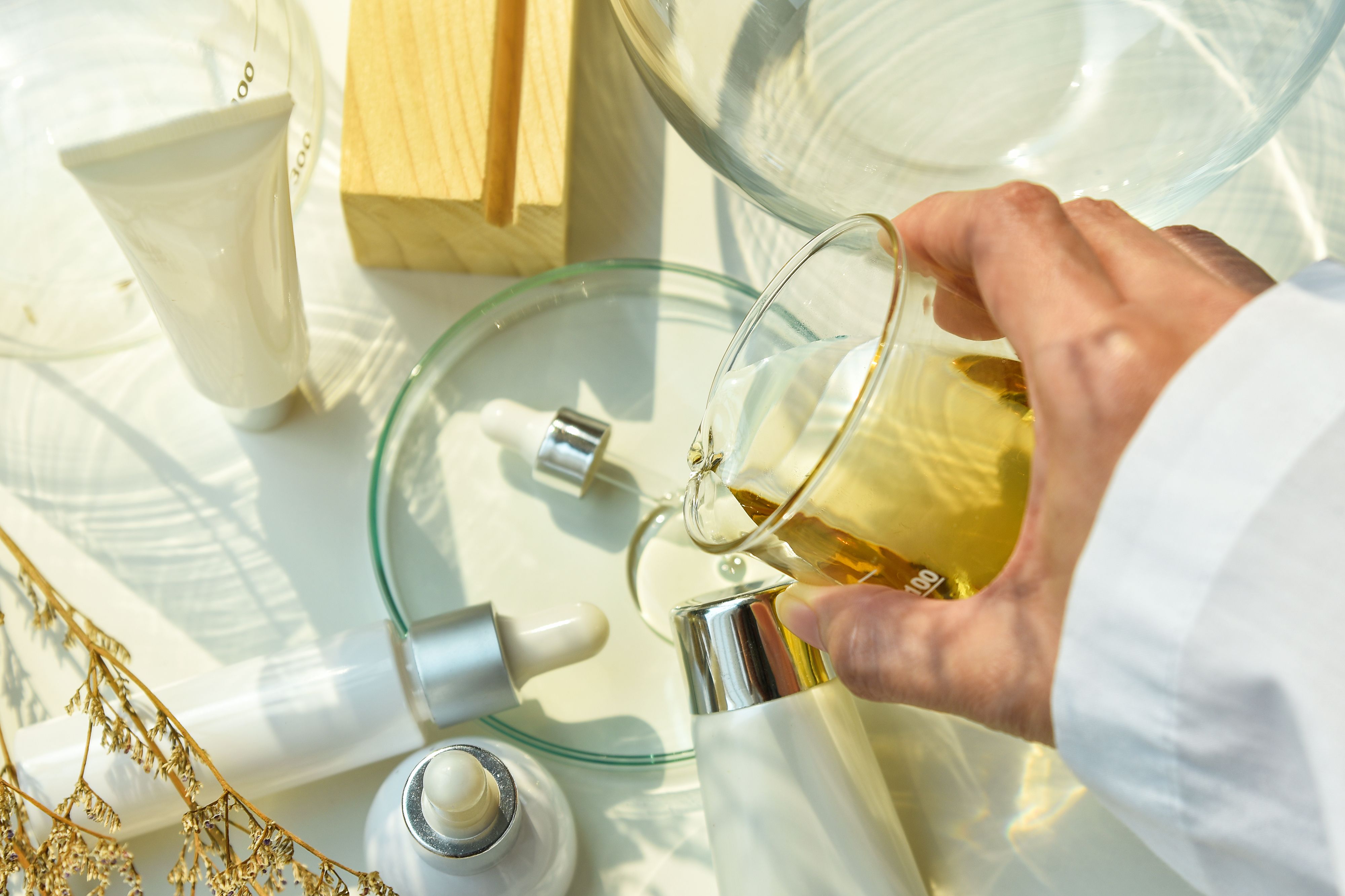
At the core, cosmetic research clinics are dedicated to the development and testing of new skincare and beauty products. They utilize cutting-edge technology and scientific methods to ensure that products are effective, safe, and reliable. These clinics are staffed by experts in dermatology, chemistry, and biology who work collaboratively to innovate and improve cosmetic solutions.
Many people believe that research clinics are solely focused on testing products on animals, but this is far from the truth. In reality, a significant amount of research is conducted using alternative methods, such as computer simulations and cell cultures, to minimize the ethical concerns associated with animal testing.
Product Development Process
The development of a new cosmetic product is a meticulous process that involves several stages. Initially, researchers identify a need or a gap in the market. This is followed by extensive research and formulation of potential solutions. Once a promising formula is developed, it undergoes rigorous testing to ensure its efficacy and safety.

Clinical trials are a critical part of this process. These trials involve human volunteers and are conducted under strict ethical guidelines to assess the product's performance, potential side effects, and overall impact. The data collected during these trials are crucial for refining the product and ensuring it meets regulatory standards.
Myths About Cosmetic Testing
There are several myths regarding the testing processes in cosmetic clinics. One common misconception is that these facilities prioritize profit over safety. In truth, safety is paramount, and regulatory bodies enforce stringent guidelines to protect consumers. Products cannot enter the market without meeting these rigorous standards.
Another myth is that cosmetic research clinics are solely driven by large corporations. While big brands do invest in research, many clinics are independent entities focused on advancing cosmetic science. They often collaborate with universities and research institutions to foster innovation and transparency.

The Importance of Transparency
Transparency is a growing trend in the cosmetic industry. Research clinics are increasingly sharing their methodologies and findings with the public. This openness helps build consumer trust and dispels many of the myths surrounding the industry. Consumers are encouraged to look for brands that prioritize transparency in their research and product development.
Ultimately, cosmetic research clinics are essential for the advancement of safe and effective beauty products. By understanding what truly happens within these facilities, consumers can make informed choices and appreciate the scientific efforts behind their favorite cosmetics.